

Quick Summary
Problem: Brand and digital presence didn’t reflect the product’s tech-first value, limiting scalable discovery and qualified leads
Approach: Led brand repositioning and redesigned the website using progressive disclosure to support self-serve exploration for enterprise buyers
Role: Brand strategy, UX, interaction design, front-end implementation
Outcome:
Demo requests increased 1.5 → 3.8 per week
Sales meetings required to close reduced 4 → 3
Increased inbound interest from large hospitals (300+ beds)
Transform NuvertOS from a word-of-mouth business reliant on printed pamphlets and direct sales interactions into a digitally discoverable brand with a compelling online presence that serves both as a lead generation funnel and a comprehensive showcase of its offerings for potential clients to explore independently.
Create a cohesive digital brand ecosystem with a revitalized website that serves as both an explanatory showcase and sales conversion tool, while developing consistent marketing content that reflects the company's vision and attracts potential clients through multiple avenues.
Interaction Design
Brand Design
Prototyping
UX Research
Figma
HTML
CSS
Angular
ClickUp
Existing Clients
Sales Team
Potential unaffiliated clients
NuvertOS is a technology-focused product under Timestream Technologies, specializing in enterprise solutions, with a strong product foundation but minimal digital visibility. Our marketing strategy historically relied on traditional approaches—word-of-mouth referrals and printed pamphlets distributed at industry events. Sales representatives would personally deliver these materials to potential clients, providing a glimpse into our software capabilities. While effective at a certain scale, this approach created dependencies on direct sales interactions and limited our market reach.
Our vision was to transform our marketing approach through digital channels, creating an ecosystem where potential clients could discover NuvertOS independently. By revitalizing our website to function both as a comprehensive showcase and strategic sales funnel, while building a cohesive social media presence aligned with our company vision, we aimed to expand visibility, generate qualified leads, and provide our sales team with well informed prospects.
Our existing branding was minimal and heavily skewed toward healthcare infrastructure, failing to highlight our core identity as a technology-first organization. Marketing materials, including our primary pamphlets, emphasized medical facility integration rather than our innovative tech capabilities that differentiated us from competitors. This misalignment prevented potential clients from understanding our true value proposition and unique market position.
Workshops revealed confusion around brand positioning. Customers perceived the brand as healthcare first, but we wanted to be known as a Tech First brand. This gap drove the redesign.
The company's dependence on printed materials and face-to-face sales meetings created real barriers to growth. Without an effective website or digital presence, potential clients couldn't research our offerings independently—they needed a sales representative or a pamphlet just to learn basic information. This bottlenecked our sales process and severely limited our reach. Our digital footprint was minimal which meant establishing brand recognition became nearly impossible. Our social media presence was practically non-existing, making it difficult to stand out in an increasingly competitive digital landscape. We needed that to allow potential clients to see how we operate as a brand rather than just a single product.
Working closely with our marketing team, we conducted a comprehensive brand audit to understand our current market positioning. We examined numerous healthcare enterprise products to identify opportunities for differentiation in this crowded space.
Our findings revealed a critical disconnect: our branding mirrored our competitors almost identically. While industry players typically emphasized seamless integration with existing hospital infrastructure and digitization of pain points, our actual product offered something distinctly different—technology-driven innovation. Our software's core value proposition was enhancing and accelerating hospital workflows through intelligent simplification, yet our brand communication failed to convey this unique advantage. This misalignment between our product's distinctive capabilities and our generic branding created a significant opportunity for repositioning ourselves in the market.
Our Old Branding


Competitor Branding


To create a comprehensive design system, we had to explore many different branding directions. Here are some of the examples of what did NOT work:
The key problem we kept running into was that we subconsciously kept referring to existing branding for healthcare software healthcare facility. We were somewhat trapped in the ‘healthcare’ identity. We needed to create some visuals to fully realize that it was the incorrect direction to go for. all the visuals involved real people, and the color palettes made it seem like a hospital’s landing page.
We explored 4 different design directions with distinct feelings conveyed with each. The final design system was picked for its scalability across multiple mediums like packaging and pamphlets, and digital touchpoints like social media.


With further exploration, we were able to settle on a color palette and rough visual identity to move ahead with. The new color palette aligned much more with our tech forward approach. The visual identity was also distinct from all the other competitors.

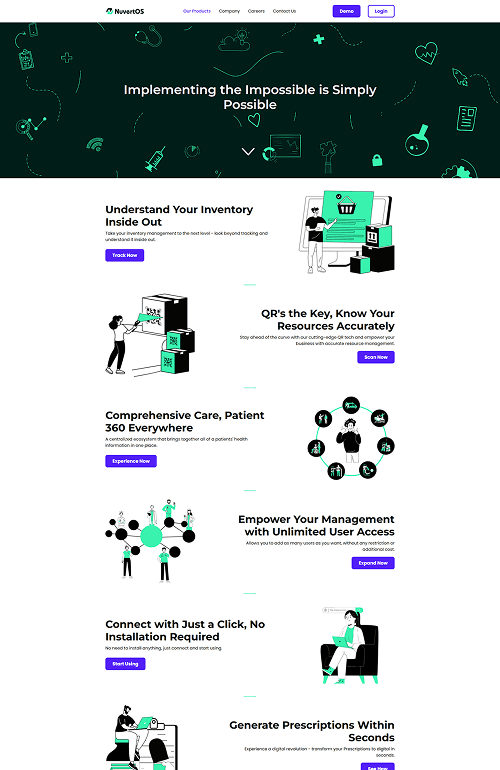
Our goal was to create an engaging digital platform that would allow both potential and existing clients to explore our offerings at their own pace. We recognized that overwhelming users with information would drive them away, so we needed a strategic approach to content delivery that would focus attention on relevant features while still providing pathways to discover more.
After exploring several content presentation strategies, we settled on a progressive disclosure model.


This approach empowers users to select options matching their specific setup requirements, revealing tailored recommendations based on similar configurations in our database. This personalized exploration creates a dual benefit: users can clearly identify solutions for their immediate needs while also discovering growth possibilities for future expansion. By structuring our digital experience this way, we transformed impersonal product browsing into a customized journey that demonstrates how our technology can support clients at every stage of their development.
We aligned our social media branding closely with our website redesign, adopting an illustration-based approach using our refreshed brand colors. This consistency was strategic—creating instant brand recognition regardless of the platform where users encountered NuvertOS.
Beyond aesthetics, we repositioned our social channels as valuable information hubs that medical professionals could easily share with their networks, while remaining accessible to non-specialists. This dual-audience approach served immediate brand-building needs while strategically laying groundwork for potential future consumer-facing applications. By establishing NuvertOS as a trusted information source across professional and general audiences, we created a versatile digital foundation that could support various business directions as the company evolved.


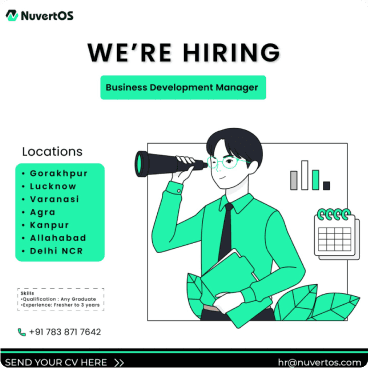
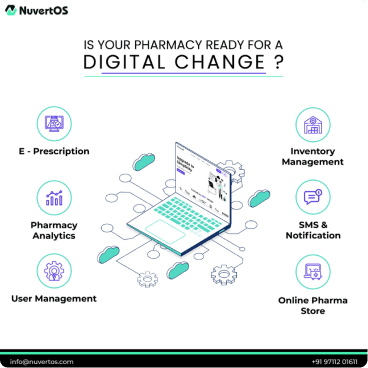
The images below are examples of screens that we adopted for the new website along with some example of the social media posts.



Over the course of a year, we noticed the following:
Demo requests increased from an average of 1.5 a week to 3.8 a week (over the course of a year).
Number of meetings required by sales team dropped from an average of 4 meetings to 3 meetings to close a client.
Significant increase in interest in the product from larger (300+ bed) hospitals than the year before.
Word of mouth marketing about the software became somewhat limited in areas where we had a large number of facilities using our software.
Reducing pressure and amount of meetings allowed them to explore clients with larger setups and potentially more revenue.
Using the website as an informatic brochure, the sales team was able to upsell features on a more regular basis.
Communication with our clients and our social standing with clients also increased as we were able to showcase their testimonials and branding on our platform.
An unintentional benefit was that number of applicants for any given role in the organization increased in terms of quality and the candidates were well informed before applying.
This project highlighted how branding impacts product perception. I learned the value of testing brand concepts early with small customer groups.
